Roof Leak Warning Signs: 17 Clues Florida Homeowners Miss (and What to Do Next)
Roof leaks rarely start as dramatic, obvious problems. In most cases, they begin quietly with small entry points that slowly allow water into your home. And in Florida, where heavy rain, humidity, and storms are a common, normal part of everyday life, those small issues can escalate quickly.
The challenge is that many homeowners don’t exactly realize in the moment, or recognize the early roof leak signs, until it’s too late and the damage becomes expensive.
A faint ceiling stain, a musty smell, or even a slight increase in humidity indoors might not seem urgent, especially in rooms prone to humidity like bathrooms, but these are often the first indicators that your roof is compromised.
This guide is designed to help you spot those warning signs early, understand what might be causing them, and take the right steps before a minor issue turns into a major repair. Better yet? Speak to an expert.
We’ll also walk you through exactly what to do if you suspect a leak, how to document the problem, and how to protect your home while waiting for professional help.
If at any point you’re unsure, it’s always best to book a free Leak Inspection or call for emergency tarping because when it comes to roof leaks in South Florida, acting quickly makes all the difference.
Why Roof Leaks Are So Common in Florida
The fact of the matter is roof leaks can stem from a variety of sources, each posing unique challenges and risks to homeowners, especially in areas like Florida.
One of the primary causes of roof leaks is weather-related damage. Heavy rainfall, snow, wind, and hail can all take their toll on the quality of your roof over time. When shingles become loose or damaged, they create openings that allow water to penetrate and thus damage the roof..
Another common cause of roof leaks is poor installation or faulty materials. If your roof wasn’t installed correctly, it might not provide the protection it should.
Roof leaks aren’t just occasional problems in Florida; unfortunately, they’re expected over time. The combination of intense sun exposure, sudden storms, wind-driven rain, and high humidity puts constant stress on roofs.
Even well-installed roofs are likely to be vulnerable. Flashing can loosen, tiles can crack, sealants can degrade, and small penetrations around vents or skylights can become entry points for water.
Here’s where it gets interesting – if you see a leak, it’s likely that the source is not directly above where you see the damage, so it’s not an easy fix without professional help.
Water can travel along beams, insulation, and structural components before it becomes visible inside your home.
That’s why early detection is so important and why understanding the subtle signs can save you thousands in repairs.
17 Roof Leak Warning Signs Homeowners Often Miss
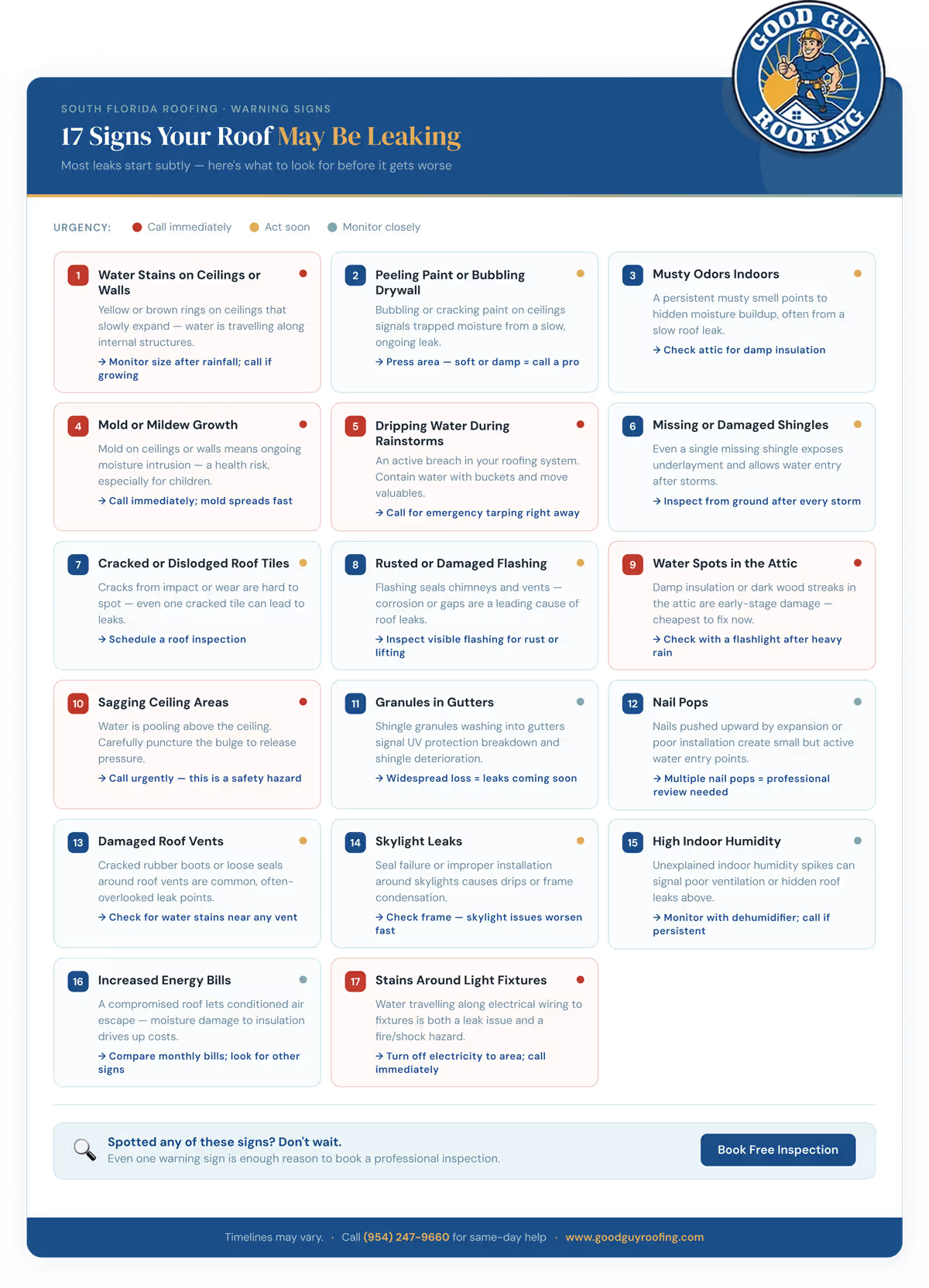
Not all leaks announce themselves with dripping water. In fact, most start with subtle clues that are easy to overlook.
Early detection is key to preventing extensive damage and costly repairs. When you identify leaks early, you can mitigate the risk of structural damage, mold growth, and other complications.
Regular roof inspections, especially after significant weather events, can help spot potential issues before they become bigger than they are.
One of the key benefits of early detection is the ability to address minor problems before they become major headaches. Small leaks can often be repaired quickly and inexpensively, but large-scale damage from prolonged leaks will, unfortunately, require extensive and costly repairs. In addition to saving money, early detection can also save time and stress associated with major home repairs.
Below are some common roof leak signs, along with exactly what to do when you spot them, how serious they are, and when it’s time to bring in a professional.
1. Water Stains on Ceilings or Walls
A yellow or brown water stain ceiling mark is one of the earliest and most visible signs of a roof leak. These stains often expand slowly over time.
- What to do after spotting the sign: It’s crucial that you start by monitoring the size of the stain over a few days, especially after rainfall. Place a container underneath if there’s any sign of dripping. Take photos to track progression.
- What this usually indicates: Water is entering through the roof and traveling along internal structures before becoming visible.
- When to call for professional help: Immediately, especially if the stain is growing or darkening. Even small stains usually indicate an active leak that won’t resolve on its own.
2. Peeling Paint or Bubbling Drywall
Paint that bubbles, cracks, or peels, especially on ceilings, is often caused by trapped moisture.
- What to do after spotting the sign: Gently press the affected area. If it feels soft or damp, there’s likely moisture behind it. Avoid repainting until the root cause is fixed.
- What this usually indicates: Moisture buildup from a slow, ongoing roof leak issue.
- When to call for professional help: If the damage spreads or appears in multiple areas, it’s time for roof leak detection.
3. Musty Odors Indoors
A persistent musty smell is often overlooked but can signal hidden moisture problems.
- What to do after spotting the sign: Check your attic and upper rooms for damp insulation or dark patches. Increase ventilation if possible.
- What this usually indicates: Long-term moisture buildup, often from a slow leak.
- When to call for professional help: If the smell persists even after airing out the space, a hidden leak is likely.
4. Mold or Mildew Growth
Mold on ceilings or walls is a clear sign that moisture is present. This is likely to happen in a bathroom, kitchen etc.
- What to do after spotting the sign: Clean small areas with appropriate solutions, but understand this is only a temporary fix.
- What this usually indicates: Ongoing moisture intrusion, often from a roof leak or poor ventilation.
- When to call for professional help: Immediately. Mold can spread quickly and affect indoor air quality, thus resulting in potential health issues, especially among children.
5. Dripping Water During Rainstorms
This is one of the most obvious signs of a leak, but also one of the most urgent.
- What to do after spotting the sign: Contain the water using buckets and towels. Move valuables out of the area.
- What this usually indicates: An active breach in your roofing system.
- When to call for professional help: Right away. This is when you should call for emergency tarping to prevent further damage.
6. Damaged or Missing Shingles
Shingles protect your roof’s surface. When they’re missing or damaged, water can easily get in.
- What to do after spotting the sign: Inspect your roof from the ground after storms. Look for uneven patches or exposed areas.
- What this usually indicates: Wind damage or aging materials.
- When to call for professional help: If you notice multiple missing shingles or exposed underlayment.
7. Cracked or Dislodged Roof Tiles
Tile roofs are common in South Florida, but cracks can be difficult to spot.
- What to do after spotting the sign: Look for visible cracks or tiles that appear out of place.
- What this usually indicates: Impact damage or natural wear.
- When to call for professional help: Even a single cracked tile can lead to leaks. Schedule a roof inspection.
8. Rusted or Damaged Flashing
Flashing seals vulnerable areas like chimneys and vents.
- What to do after spotting the sign: Check visible flashing for rust, gaps, or lifting edges.
- What this usually indicates: Seal failure or corrosion.
- When to call for professional help: As soon as you notice deterioration. Flashing issues are a leading cause of leaks.
9. Water Spots in the Attic
Your attic is one of the best places to detect early leaks.
- What to do after spotting the sign: Use a flashlight to inspect for damp insulation or dark streaks on wood.
- What this usually indicates: Water entering before it reaches your ceiling.
- When to call for professional help: Immediately, this is early-stage damage that’s easier (and cheaper) to fix.
10. Sagging Ceiling Areas
A sagging ceiling often means water is pooling above it.
- What to do after spotting the sign: Carefully puncture the bulge to release water and prevent collapse.
- What this usually indicates: Significant water accumulation.
- When to call for professional help: Urgently. This can become a safety hazard quickly.
11. Granules in Gutters
Shingle granules protect against UV damage.
- What to do after spotting the sign: Check gutters for excessive granule buildup.
- What this usually indicates: Shingle deterioration.
- When to call for professional help: If granule loss is widespread, it may lead to leaks soon.
12. Nail Pops
Nails can push upward over time, creating small holes.
- What to do after spotting the sign: Look for raised or exposed nails on the roof surface.
- What this usually indicates: Expansion, contraction, or poor installation.
- When to call for professional help: If multiple nail pops are present, these can allow water entry.
13. Damaged Roof Vents
Roof vents are common leak points.
- What to do after spotting the sign: Check for cracked rubber boots or loose seals.
- What this usually indicates: Wear and tear around penetrations.
- When to call for professional help: If you see visible damage or water stains nearby.
14. Skylight Leaks
Skylights can be vulnerable if not properly sealed.
- What to do after spotting the sign: Check for condensation, drips, or stains around the frame.
- What this usually indicates: Seal failure or improper installation.
- When to call for professional help: At the first sign of leakage, skylight issues worsen quickly.
15. High Indoor Humidity
Excess humidity indoors can sometimes be linked to roofing issues.
- What to do after spotting the sign: Use a dehumidifier and monitor moisture levels.
- What this usually indicates: Poor ventilation or hidden leaks.
- When to call for professional help: If humidity remains high despite ventilation improvements.
16. Increased Energy Bills
A compromised roof can affect insulation performance.
- What to do after spotting the sign: Compare recent energy bills to previous months.
- What this usually indicates: Air leakage or insulation damage caused by moisture.
- When to call for professional help: If combined with other signs like stains or drafts.
17. Stains Around Light Fixtures
Water can travel along wiring before becoming visible.
- What to do after spotting the sign: Turn off electricity to the affected area if necessary.
- What this usually indicates: Water intrusion near electrical systems.
- When to call for professional help: Immediately. This is both a leak issue and a safety risk.
What most homeowners don’t realise is that these signs rarely appear in isolation. You might notice a stain, a smell, and a slight increase in humidity, which are all elements pointing to one underlying issue.
The sooner you connect these dots, the easier it is to fix the problem.
If you’ve spotted even one of these signs, it’s worth taking action ASAP. Schedule a roof inspection.
What Causes Roof Leaks in South Florida Homes?
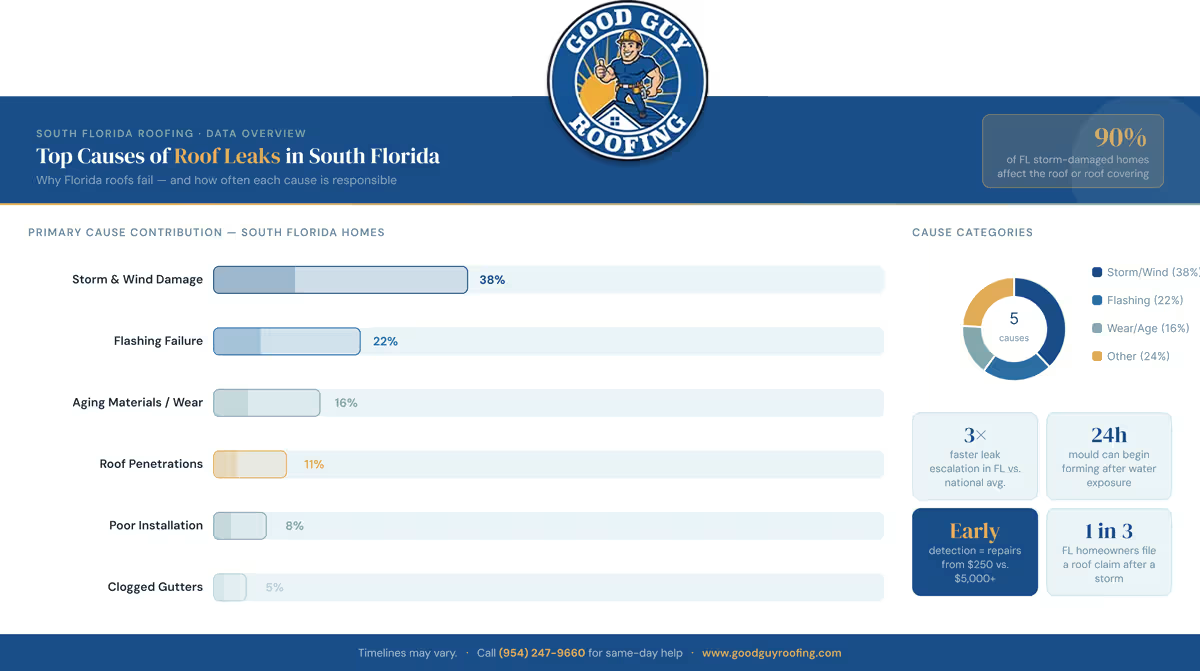
Understanding the cause of a leak is just as important as spotting the symptoms.
Flashing Failures
Flashing is one of the most common failure points. Over time, it can loosen, corrode, or separate from the roof surface, especially after storms.
Roof Penetrations
Anything that penetrates your roof, vents, pipes, or skylights creates a potential weak point if not properly sealed.
Tile and Shingle Damage
Wind, debris, and age can all compromise roofing materials, allowing water to seep through.
Poor Installation
Even a new roof can develop leaks if it wasn’t installed correctly.
Clogged Gutters
Blocked gutters can cause water to back up onto the roof, increasing the risk of leaks.
What to Do If You Notice Roof Leak Signs
If you suspect a leak, the most important thing is to act quickly, but calmly in order to avoid any mistakes.
Start by identifying where the water is entering your home, if possible. Place buckets or containers under active drips to prevent further damage. Move furniture and valuables away from the affected area.
If the leak is severe, call for emergency tarping to prevent additional water from entering your home.
Avoid climbing onto the roof yourself, especially during or after a storm. It’s safer and more effective to let professionals handle the roof inspection and repair.
The Homeowner’s Checklist: What to Document and How to Minimise Damage
Before you call a roofer, taking a few simple steps can make the repair process smoother and help with insurance claims.
Step 1: Document the Damage
Take clear photos of:
- Ceiling stains and wall damage
- Active leaks or dripping water
- Exterior roof damage (if visible from the ground)
This documentation can be crucial for insurance purposes.
Step 2: Contain the Water
Use buckets, towels, or plastic sheeting to manage water intrusion. If water is pooling in a ceiling bulge, carefully puncture it to release pressure and prevent collapse.
Step 3: Protect Your Belongings
Move furniture, electronics, and valuables away from the affected area.
Step 4: Reduce Moisture
Use fans or dehumidifiers to dry out the space and prevent mold growth.
Step 5: Temporary Fixes
If safe to do so, you can use a tarp or roofing tape as a temporary measure, but this is not a long-term solution.
Step 6: Call a Professional
The sooner you book a free leak inspection, the better your chances of avoiding costly repairs.
You can also download the ‘Stop the Leak’ checklist to keep these steps handy for future emergencies.
How Roof Leak Repair Works
Once a professional roofer assesses the issue, the repair process typically begins with identifying the exact source of the leak. This may involve inspecting the roof surface, flashing, and attic space.
Repairs can range from sealing small gaps and replacing damaged shingles to more extensive work involving flashing or structural components.
In some cases, if the damage is widespread, your contractor may recommend a partial or full roof replacement.
How to Prevent Future Roof Leaks
Prevention is always more cost-effective than repair.
Regular inspections, especially after storms, can help identify issues early. Keeping gutters clean, trimming overhanging branches, and addressing small problems before they escalate can significantly extend the life of your roof.
Scheduling routine inspections is one of the simplest ways to stay ahead of potential leaks.
When to Call a Professional Immediately
Some situations require urgent attention.
If you notice:
- Active leaks during heavy rain
- Sagging ceilings
- Electrical issues near water
- Widespread staining
You should call for emergency tarping or schedule a roof inspection immediately.
FAQs About Roof Leaks in Florida
What causes roof leaks in Florida?
Roof leaks in Florida are typically the result of a combination of environmental stress and natural wear over time. Unlike other regions, roofs in South Florida are constantly exposed to harsh conditions—intense UV rays, heavy rainfall, high humidity, and strong winds, especially during hurricane season.
One of the most common causes is storm damage. High winds can lift shingles, crack tiles, or loosen flashing, creating entry points for water.
Flashing failure is also a leading cause of leaks.
In many cases, leaks aren’t caused by a single issue but rather a combination of factors that develop over time.
Can a roof leak be fixed without replacing the roof?
Yes, in many cases, a roof leak can absolutely be repaired without needing a full roof replacement. It all depends on the extent of the damage and the overall condition of the roof.
If the leak is caused by a localized issue, such as a damaged shingle, cracked tile, or worn flashing around a vent, a targeted repair is usually sufficient. A professional roofer can replace or reseal the affected area and restore the roof’s integrity without replacing the entire system.
Repairs are often the best option when:
- The damage is limited to a small section
- The roof is still relatively new
- The underlying structure (decking and underlayment) is intact
However, if the roof is older or showing signs of widespread wear, repairs may only provide a temporary solution. In those cases, a replacement might be more cost-effective in the long run.
The key is getting a professional assessment. A proper inspection will determine whether the issue is isolated or part of a larger problem.
How do you find the source of a roof leak?
Finding the exact source of a roof leak can be more complicated than it seems. One of the biggest challenges is that water doesn’t always travel in a straight line. It can enter the roof in one location and move along beams, insulation, or wiring before becoming visible inside your home.
Professionals typically use a combination of methods to locate the source of a leak.
For homeowners, the best first step is to note where the leak appears inside the home and when it occurs (for example, only during heavy rain). This information can help narrow down the source during a professional inspection.
Is ceiling discoloration always a roof leak?
Not always, but it’s one of the most common indicators of a roof-related issue.
Ceiling discoloration, such as yellow or brown stains, is often caused by water intrusion from above. In many cases, these points lead to a roof leak. However, there are other possible causes that shouldn’t be overlooked.
What should I do immediately when I notice a leak?
If you notice a roof leak, acting quickly can significantly reduce the amount of damage to your home.
The first step is to contain the water. Place buckets or containers under any active drips and use towels or plastic sheeting to protect floors and furniture. If water is pooling in a ceiling bulge, carefully puncturing it can relieve pressure and prevent the ceiling from collapsing.
Next, protect your belongings by moving furniture, electronics, and valuables away from the affected area. Water damage can spread quickly, so creating space around the leak is important.
If it’s safe to do so, try to identify the general area of the leak, but avoid climbing onto the roof, especially during wet or stormy conditions.
It’s also important to document the damage. Take clear photos of the leak, any visible damage, and affected areas inside your home. This can be helpful if you need to file an insurance claim.
Finally, contact a professional as soon as possible. If the leak is severe or ongoing, it’s best to call for emergency tarping to prevent further water from entering your home. Otherwise, you can schedule a roof inspection to assess the issue and determine the best course of action.
The sooner you act, the easier and more affordable it is to fix the problem.
Don’t Ignore the Signs
Roof leaks don’t fix themselves and in Florida’s climate, they tend to get worse quickly.
The earlier you spot the signs, the easier and more affordable the solution will be. Whether it’s a small stain or a more obvious issue, taking action now can protect your home, your finances, and your peace of mind.
If you’ve noticed any of these warning signs, don’t wait.
Book a free leak inspection or call for emergency tarping today to protect your home before the damage spreads.