Roofing Maintenance for Rainy Seasons: How to Protect Your Home
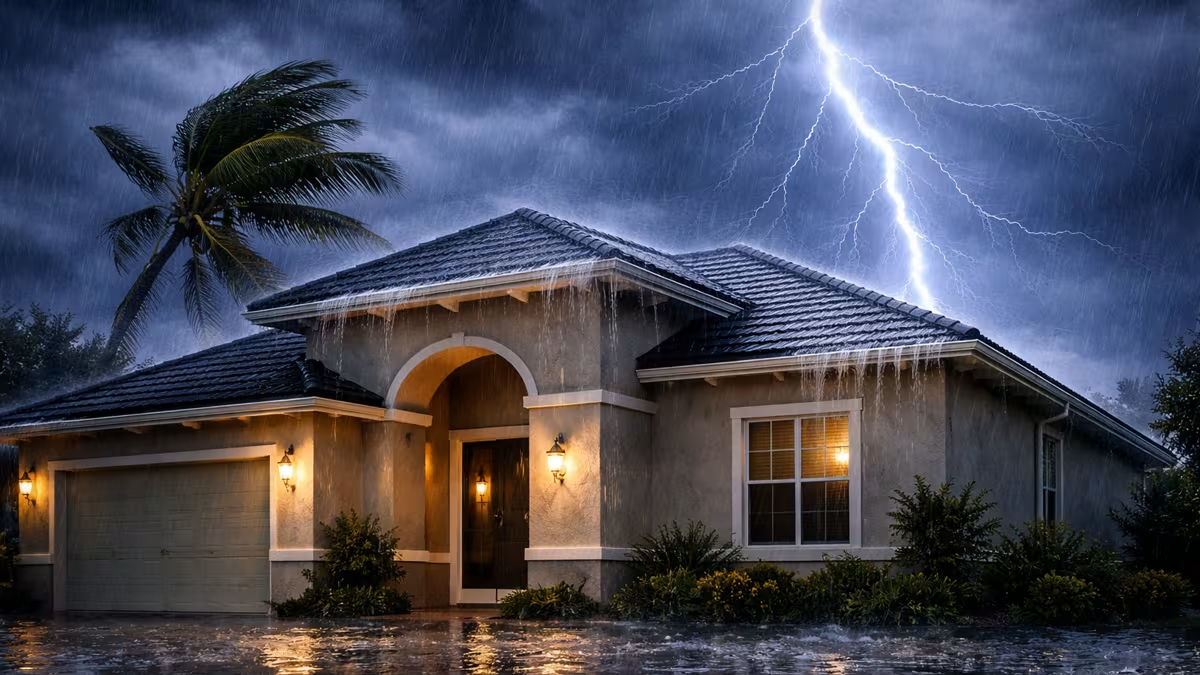
The sound of rain can be a soothing backdrop to a cozy day indoors. But for a homeowner with a neglected roof, that same sound can trigger anxiety, bringing with it the fear of drips, stains, and costly water damage. As the rainy season approaches, the single most important barrier between your family and the elements, your roof, demands your attention.
Effective roofing maintenance for rainy seasons is not just about fixing problems as they appear; it’s about preventing them altogether. This comprehensive guide, built on decades of professional experience, will walk you through the essential steps to fortify your roof, ensuring your home remains a safe and dry sanctuary, no matter how hard the rain falls.
Why Rainy Season Roof Maintenance is Non-Negotiable?
Ignoring your roof is a gamble against nature, and the odds are never in your favor. Water is a relentless force that can exploit the smallest weakness, triggering a cascade of costly and stressful problems. Understanding the risks is the first step toward proactive protection.
Proactive rainy season roof maintenance is the most cost-effective strategy. An emergency repair during a storm will always cost significantly more than a scheduled maintenance check. Think of it as an investment in your home’s longevity and your own peace of mind.
- Prevents Costly Water Damage: Small leaks can quickly saturate insulation, ruin drywall, and damage electrical systems.
- Stops Mold and Mildew Growth: Where there’s persistent moisture, mold is sure to follow, posing serious health risks to your family.
- Preserves Structural Integrity: Chronic water intrusion can rot wooden support beams and decking, compromising the entire structure of your home.
- Extends Roof Lifespan: Regular care helps your roof reach, or even exceed, its expected service life, helping you avoid premature replacement.
Your Essential Pre-Rainy Season Roof Inspection Checklist

A thorough visual inspection is the cornerstone of preventative roof maintenance. You can perform many of these checks safely from the ground using binoculars. This checklist will help you identify potential trouble spots before they become full-blown emergencies.
- Inspect Shingles and Tiles: Look for any shingles that are cracked, curling, buckling, or missing entirely. For tile roofs, check for cracked or sliding tiles. These are direct entry points for water. Also, check for a large accumulation of granules in your gutters, which indicates your shingles are aging and losing their protective layer.
- Examine All Flashing: Flashing is the metal material installed around chimneys, vents, skylights, and valleys. It’s a common failure point. Look for signs of rust, bent sections, or gaps in the sealant around the flashing. Proper sealing here is critical for preventing roof leaks.
- Clear Gutters and Downspouts: This is one of the most vital residential roofing tips. Gutters clogged with leaves and debris cause water to back up and flow underneath the edge of your roof, where it can rot the fascia board and decking. Ensure water can flow freely away from your foundation.
- Trim Overhanging Tree Limbs: During a storm, heavy branches can scrape against your roof, wearing away the protective granule layer on shingles. Worse, a falling limb can cause significant structural damage. Trim branches so they are at least six feet away from your roofline.
- Check the Attic from Inside: On a sunny day, head into your attic and turn off the lights. Look for any slivers of daylight coming through the roof, a sure sign of a hole. Also, look for dark water stains, sagging decking, or signs of mold on the underside of the roof.
- Look for Moss or Algae: While it may look rustic, moss and algae growth can be destructive. They trap moisture against the roof surface, which can degrade roofing materials over time and, in freezing climates, cause cracks during the winter.
DIY vs. Professional: When to Call for a Seasonal Roof Inspection
Many homeowners are comfortable with basic tasks like cleaning gutters or trimming small branches. However, safety must always be the top priority. Walking on a roof, especially a steep or wet one, is extremely dangerous without the proper safety equipment and training.
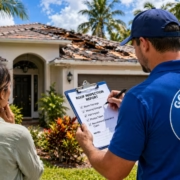
A professional roofer brings a trained eye to a seasonal roof inspection. They can spot subtle signs of wear and tear that an untrained person might miss. It’s wise to hire a professional if you notice any of the issues on the checklist, if your roof is particularly steep, or if you simply are not comfortable working at heights.
Advanced Strategies for Roof Leak Prevention
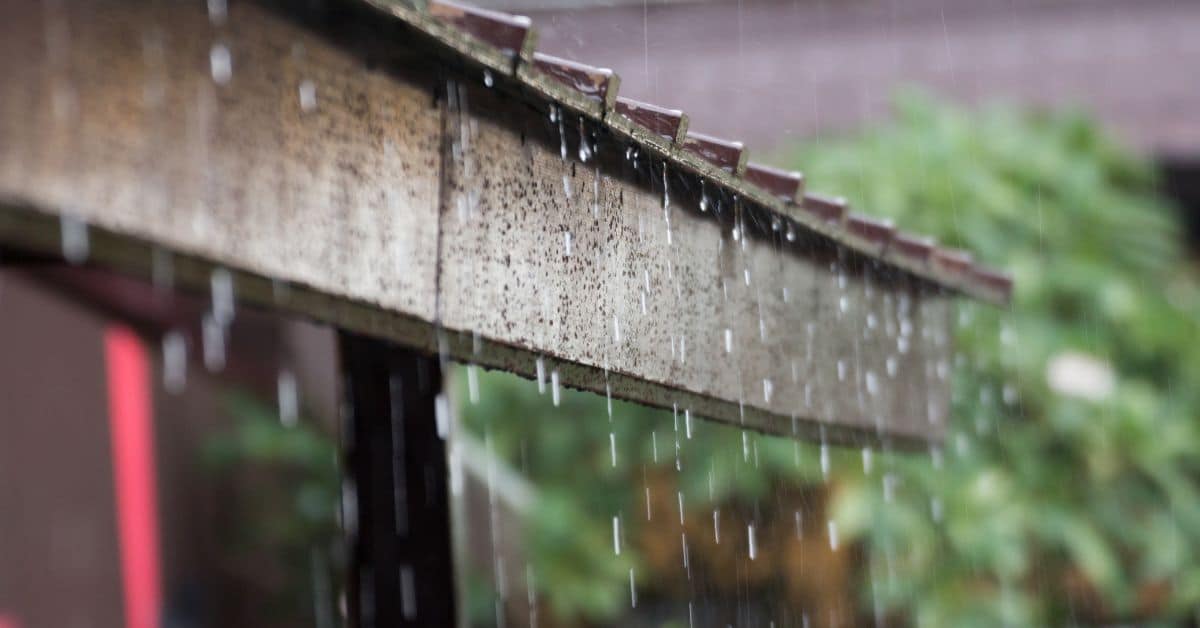
Beyond the basic inspection, a few advanced measures can provide even greater protection against severe weather. These steps often require professional expertise but are worth considering for ultimate security.
- Reinforce Sealants: The caulk and sealant around flashing, vents, and pipe boots can dry out and crack over time. A professional can apply high-grade roofing cement or silicone to reseal these vulnerable areas.
- Improve Attic Ventilation: A properly ventilated attic helps regulate temperature and moisture levels. This prevents condensation from building up on the underside of your roof decking, which can lead to rot and mold from the inside out.
- Consider Waterproofing Underlayment: During a roof replacement, investing in a high-quality, self-adhering ice-and-water shield underlayment provides a critical secondary layer of protection against wind-driven rain.
After the Storm: Essential Storm Damage Roof Care
Even with perfect preparation, a severe storm can cause damage. Knowing what to do immediately after a storm passes is a key part of responsible homeownership and effective storm damage roof care.
First, perform a safe inspection from the ground. Walk around your property and look for any shingles or pieces of flashing that may have been blown off. Use binoculars to check for visible signs of damage without getting on a ladder. If you see significant damage, call a professional roofer immediately to perform temporary repairs, like tarping, to prevent further water intrusion.
Document everything. Take clear photos of any damage you find, both inside and outside. This documentation will be invaluable if you need to file an insurance claim. Do not delay in contacting your insurance provider to start the claims process.
Conclusion: Secure Your Peace of Mind This Rainy Season
Your roof is your home’s first line of defense. By dedicating a small amount of time to roofing maintenance during rainy seasons, you are protecting your biggest investment and the well-being of your family. A proactive approach transforms the sound of rain from a source of worry into one of comfort.
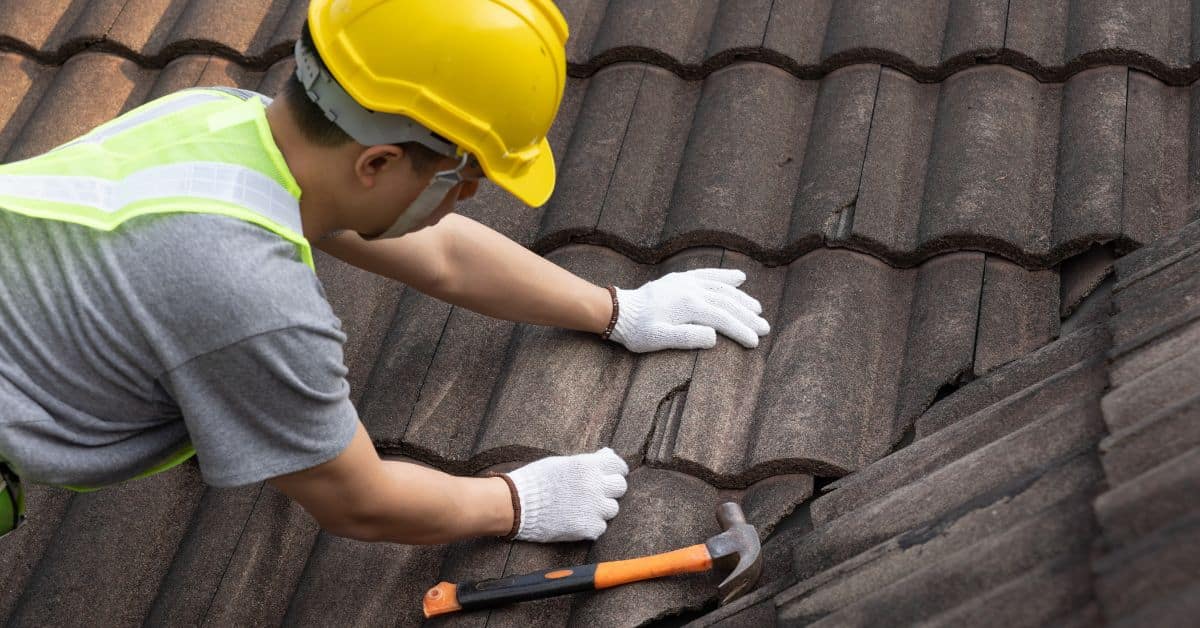
Use the checklist provided to assess your roof’s condition, tackle the tasks you can safely manage, and don’t hesitate to call a trusted professional for a thorough inspection and repair. Don’t wait for a drip to tell you there’s a problem. Protect your home today and enjoy a worry-free rainy season.