How to Save on South Florida Roof Repair: Timeline & Cost Strategies
South Florida homeowners live in one of the most beautiful places in the country, but it is also one of the toughest environments for home and roof repair. Between hurricane-force winds, heavy rain, intense UV exposure, and humid coastal air, roofing systems in Florida, particularly across Palm Beach County, Broward County, and Miami-Dade County, consistently take a beating year after year.
The reality is that for many homeowners, roof problems don’t start with a dramatic failure. They begin subtly. A small stain on the ceiling, a missing shingle after a storm, or a slow leak during a summer downpour. The challenge is knowing when a minor issue can be repaired and when it’s a sign of a bigger problem.
This guide walks you through everything you need to know about roof repair in South Florida, including common problems local roofs face, realistic repair timelines, how much repairs typically cost, and the situations where it’s time to call a professional roofer immediately.
If you’re already dealing with a leak or visible damage, don’t wait until the last minute.
Call (954) 247-9660 for same-day help, or schedule a free roof inspection for a professional assessment.
Why Roof Repairs Are So Common in South Florida
Roof damage in South Florida isn’t unusual; it’s expected. So much so that over 90% of homes damaged during hurricanes experience damage to the roof or roof covering.
The climate here creates conditions that accelerate wear and tear on nearly every roofing material.
Unlike colder regions, where roofs primarily deal with snow loads, roofs across South Florida must constantly withstand high winds, torrential rain, and intense heat. These conditions gradually weaken roofing materials, exposing vulnerabilities that can lead to leaks or structural damage.
Hurricanes and Tropical Storms
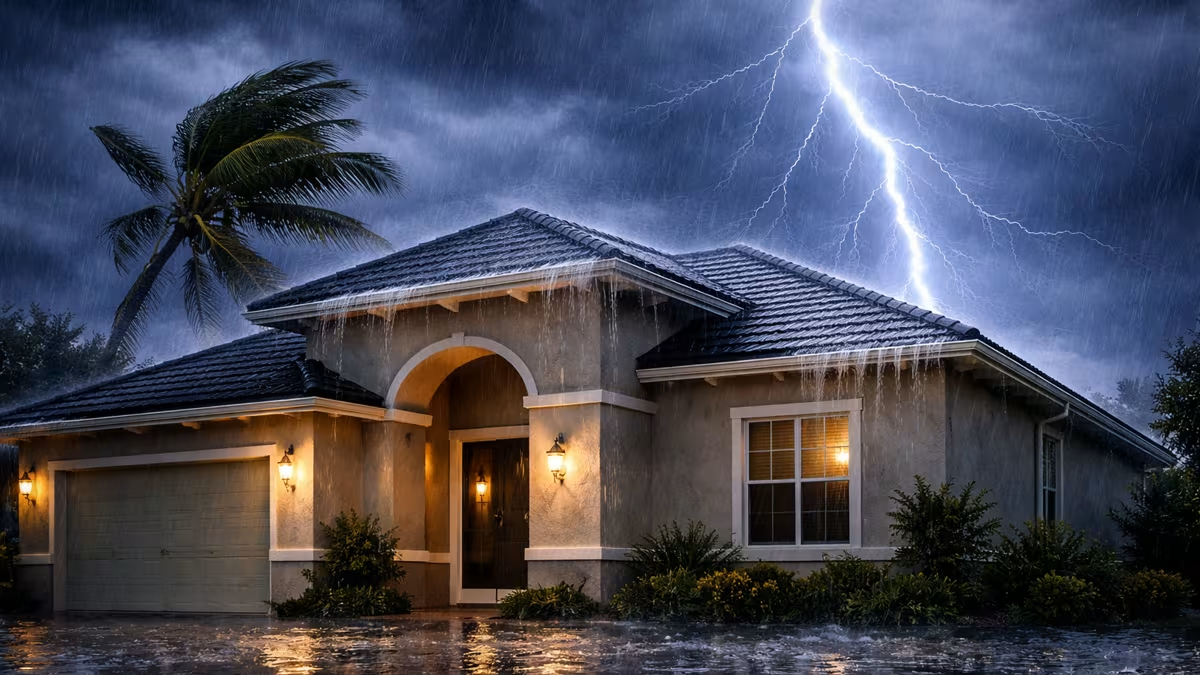
The biggest threat to roofs in Palm Beach County, Broward County, and Miami-Dade County is wind uplift. During storms, strong winds can loosen shingles, damage flashing, or expose underlayment layers that normally remain protected.
Even if a storm doesn’t appear to cause immediate damage, high winds can weaken roofing materials. Weeks later, a heavy rainstorm may reveal the issue through a sudden leak.
Heavy Rainfall and Flash Flooding
South Florida’s heavy, year-round rainfall, particularly during hurricane season, poses a significant threat to roofing. Existing minor vulnerabilities, like worn sealants or cracked flashing, can rapidly escalate into severe roof-leak repair issues as water penetrates the structure.
Heat and UV Exposure
South Florida’s intense sun slowly degrades roofing materials. Over time, shingles may curl, sealants can dry out, and roofing membranes may become brittle. This type of deterioration is one of the most common reasons homeowners in Florida eventually need roof repair and maintenance services.
The key takeaway is simple: even well-built roofs eventually need repairs. The goal is to identify issues early before they become costly structural problems.
The Most Common Roof Repair Problems in South Florida
Every roof issue has a cause.
In South Florida, certain repair problems appear far more frequently because of the region’s climate and weather patterns.
Understanding these problems helps homeowners recognize early warning signs and act before minor damage becomes costly.
Roof Leaks
The most common reason homeowners call for roof repair is a leak. However, roof leaks rarely originate exactly where water appears inside the home.
Water can travel along rafters or insulation before dripping into living spaces. A stain on your ceiling may actually originate several feet away on the roof itself.
Common causes of roof leaks include:
- Damaged shingles or tiles
- Failed flashing around vents and chimneys
- Worn underlayment
- Clogged gutters are forcing water under roofing materials
Professional roof leak repair involves tracing the leak to its true source and repairing the vulnerable area, not just sealing the visible entry point.
Missing or Damaged Shingles
High winds frequently tear off shingles or loosen them enough that they eventually fall away.
Even a single missing shingle can expose underlayment layers and allow water to penetrate the roof structure.
If you notice shingles in your yard after a storm, it’s a good idea to either repair them or schedule a roof inspection before the next rainfall.
Flashing Failures
Flashing is the thin metal material installed around roof penetrations such as vents, skylights, and chimneys. It prevents water from seeping into vulnerable seams.
Over time, flashing can corrode, loosen, or pull away from the roof. When this happens, water can easily enter the structure during heavy rain.
Storm and Wind Damage
Storm damage isn’t always obvious. A roof may appear intact from the ground but still have lifted shingles, cracked tiles, or compromised sealant areas.
After a severe weather event, it’s always wise to schedule a professional inspection even if there are no immediate signs of damage.
Schedule a free roof inspection if your home recently experienced strong winds or heavy storms.
How Much Does Roof Repair Cost in South Florida
One of the most common questions homeowners ask is about roof repair cost, especially in South Florida.
The reality is that repair pricing varies depending on several factors, including the extent of damage, roofing material, and accessibility.
While every situation is different, understanding typical cost ranges can help homeowners prepare.
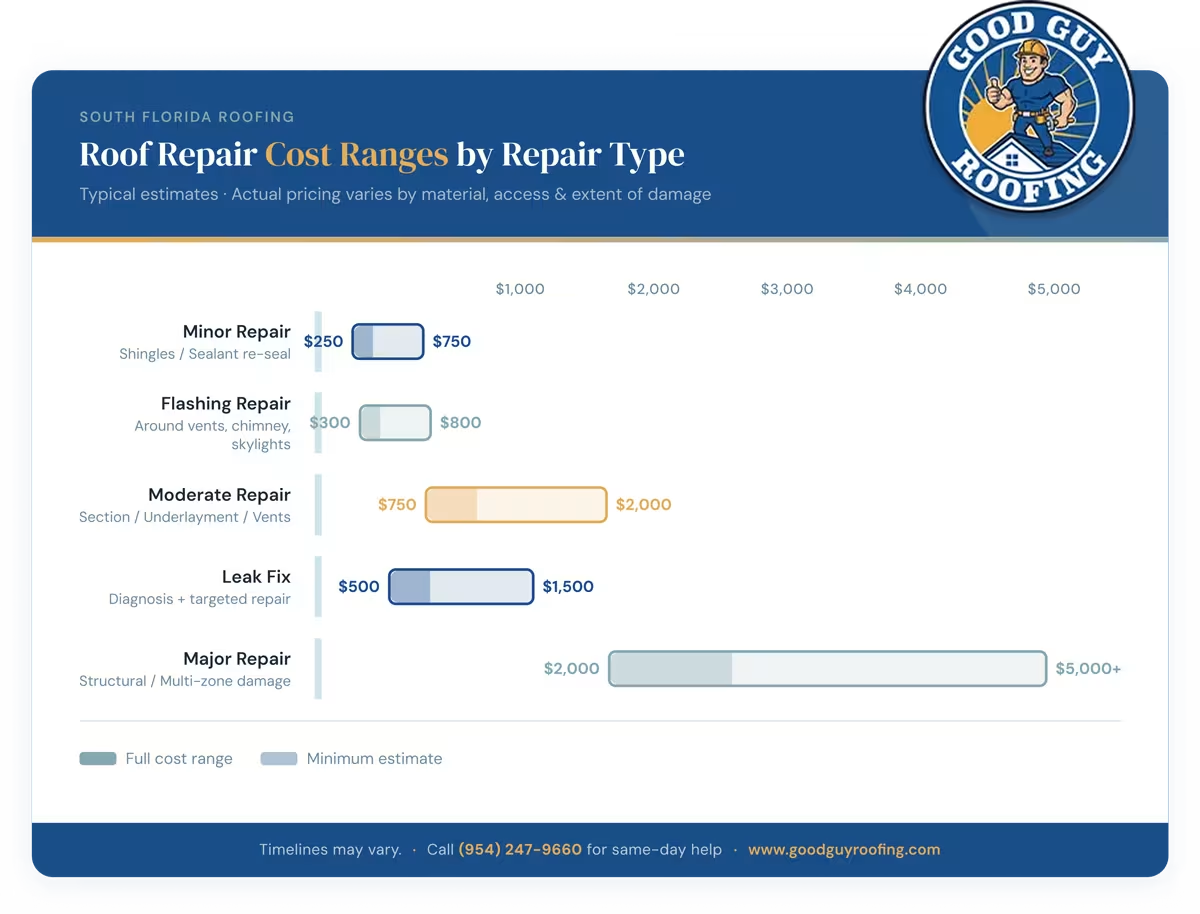
Minor Roof Repairs
Small repairs, such as replacing a few shingles or resealing flashing, are usually the most affordable.
Typical cost range: $250 – $750
These repairs often take only a few hours and are commonly completed the same day.
Moderate Roof Repairs
Moderate repairs involve larger sections of damaged roofing or structural components such as flashing, vents, or underlayment.
Typical cost range: $750 – $2,000
These repairs may take a full day, depending on the complexity.
Major Roof Repairs
Major repairs involve widespread damage, structural issues, or multiple leaking areas.
Typical cost range: $2,000 – $5,000+
At this stage, homeowners should also consider whether a roof replacement may be the more cost-effective long-term solution.
If you’re unsure about the extent of damage, the best step is to get a professional evaluation.
Get a free roof estimate to understand your repair options and pricing.
How Long Roof Repairs Typically Take
Another concern homeowners have is how long repairs will disrupt their home. Fortunately, most roofing repairs are faster than people expect.
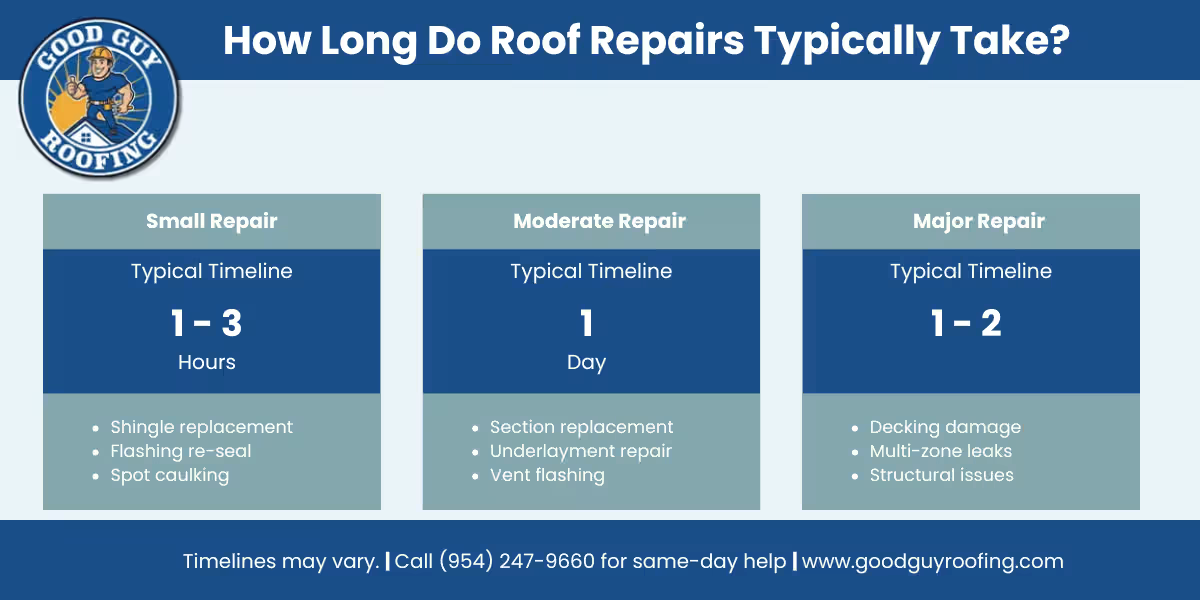
Small Repairs
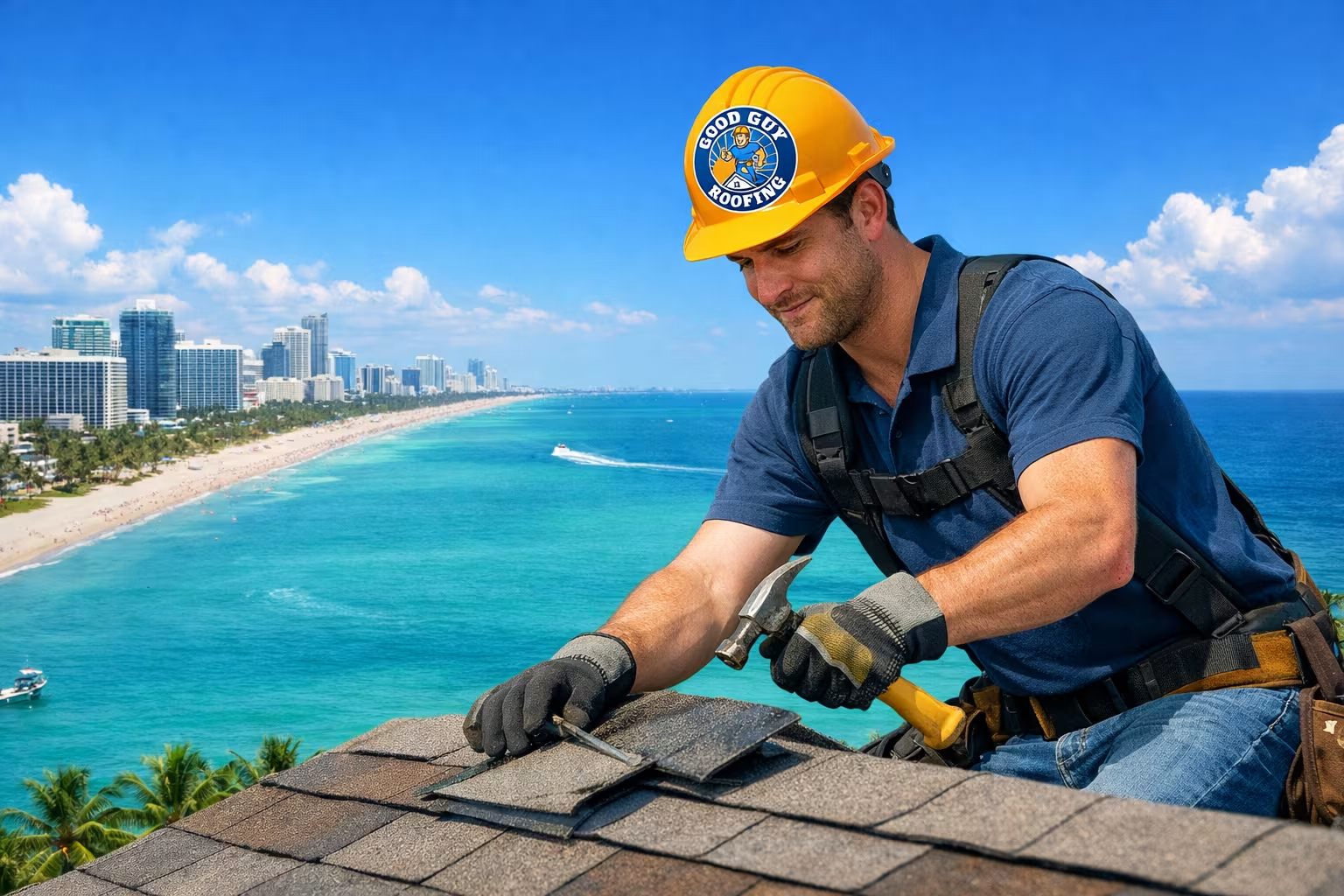
Small fixes such as replacing shingles or sealing flashing usually take 1–3 hours. These are often completed the same day a roofing technician visits your property.
Moderate Repairs
Repairs involving larger sections of roofing typically require half a day to a full day. The contractor may need additional time to remove damaged materials and ensure the repair area is properly sealed.
Complex Repairs
When structural components such as decking or underlayment are involved, repairs may take 1–2 days, depending on weather conditions and material availability.
Weather also plays a role in repair timelines. Roofing contractors must work around heavy rain and high winds, particularly during hurricane season.
Repair vs Replacement: Which One Do You Really Need?
One of the most common questions homeowners ask after discovering roof damage is whether the issue can be repaired or whether the entire roof needs to be replaced.
It’s an important decision, because the right choice can save you thousands of dollars, while the wrong one can lead to ongoing problems, repeated repairs, and even structural damage.
In South Florida, this decision can be even more complicated because roofs are exposed to extreme weather conditions. Hurricanes, heavy rain, humidity, and intense sun accelerate wear and tear on roofing materials. That means a roof that might still have several years of life left in another part of the country may deteriorate faster here.
The key is understanding the condition of the roof as a whole, not just the specific area where damage is visible. A professional roofing contractor will evaluate several factors, including the age of the roof, the extent of the damage, and whether the underlying structure is still sound.
Let’s break down how to determine when a repair is the right solution and when a full replacement may be the smarter long-term investment.
When Roof Repair Is the Right Solution
In many cases, roof repairs are the most practical and cost-effective option. If the damage is limited and the rest of the roof is still in good condition, a professional repair can restore the integrity of your roofing system and extend its lifespan.
For example, it’s very common for homeowners in Palm Beach County, Broward County, and Miami-Dade County to experience minor storm damage after heavy winds or rain.
A few missing shingles, small flashing issues, or a localized leak can usually be fixed quickly without the need for a full replacement.
Repairs tend to make the most sense when the problem is isolated to a specific section of the roof. This could include a small leak around a vent pipe, damaged shingles in one area, or flashing that has loosened over time. In these situations, a roofing contractor can remove the damaged materials, repair the affected area, and reseal the roof to prevent future leaks.
Another factor that favors repair is roof age. If your roof is still relatively new and hasn’t experienced widespread wear, repairing the damaged section can be a practical way to maintain its performance without investing in a complete replacement.
Many homeowners also choose repairs when the underlying structure of the roof is still strong. If the decking and underlayment are intact and the damage is only affecting surface materials, a repair can restore the roof’s protective barrier quickly and efficiently.
When Roof Replacement May Be the Better Option
While repairs can solve many roofing problems, there are situations where continuing to patch an aging or heavily damaged roof becomes less practical. In these cases, replacing the roof entirely may provide better long-term protection and value.
One of the most important considerations is the overall age of the roof. Every roofing system has a lifespan. Asphalt shingle roofs typically last around 20–25 years, while tile and metal roofs can last longer with proper maintenance. If your roof is approaching the end of its lifespan and begins developing multiple issues, replacing it may be the more sensible option.
Another situation where replacement becomes necessary is when damage is widespread rather than localized. For example, after a major storm in South Florida, a roof may have dozens of lifted shingles, cracked tiles, or compromised flashing points. Attempting to repair each individual problem can become expensive and may not address deeper structural issues.
Repeated repairs are another sign that a roof may be reaching the end of its service life. If you find yourself calling for roof repairs every year—or after every storm—it may be more cost-effective to invest in a replacement rather than continuing to fix temporary problems.
A full roof replacement allows contractors to remove damaged layers, repair structural components, and install a completely new roofing system designed to withstand the harsh weather conditions common in South Florida.
The Cost Perspective: When Repairs Stop Making Financial Sense
Another factor homeowners often overlook is the long-term financial impact of repeated repairs.
While repairs may appear cheaper in the short term, multiple repairs over several years can quickly add up. If the cost of fixing the roof repeatedly approaches a significant percentage of the price of a new roof, it may make more sense to replace the entire system.
Many roofing professionals use a simple rule of thumb: if the cost of repairs approaches 30–40% of the cost of a full replacement, investing in a new roof may provide better value.
A replacement also offers additional benefits beyond solving current problems. New roofs typically come with manufacturer warranties, improved materials, and stronger weather resistance, an important consideration in hurricane-prone regions like Florida.
Why a Professional Roof Inspection Matters
Ultimately, deciding between repair and replacement shouldn’t be based on guesswork. A professional inspection provides a complete picture of your roof’s condition, including areas that may not be visible from the ground.
Roofing experts evaluate key factors such as:
- The age and condition of roofing materials
- Signs of water infiltration beneath the surface
- Structural integrity of decking and support systems
- Storm or wind damage that may not be immediately obvious
This thorough assessment allows homeowners to make an informed decision based on the true condition of the roof, rather than just the visible damage.
If you’re unsure whether your roof needs a simple repair or something more extensive, scheduling an inspection is the best first step.
The Importance of Roof Inspections in South Florida
Routine roof inspections are one of the most effective ways to prevent expensive repairs.
Professional inspectors look for early signs of damage that homeowners often miss. These include loose flashing, weakened shingles, hidden leaks, and deteriorating sealants.
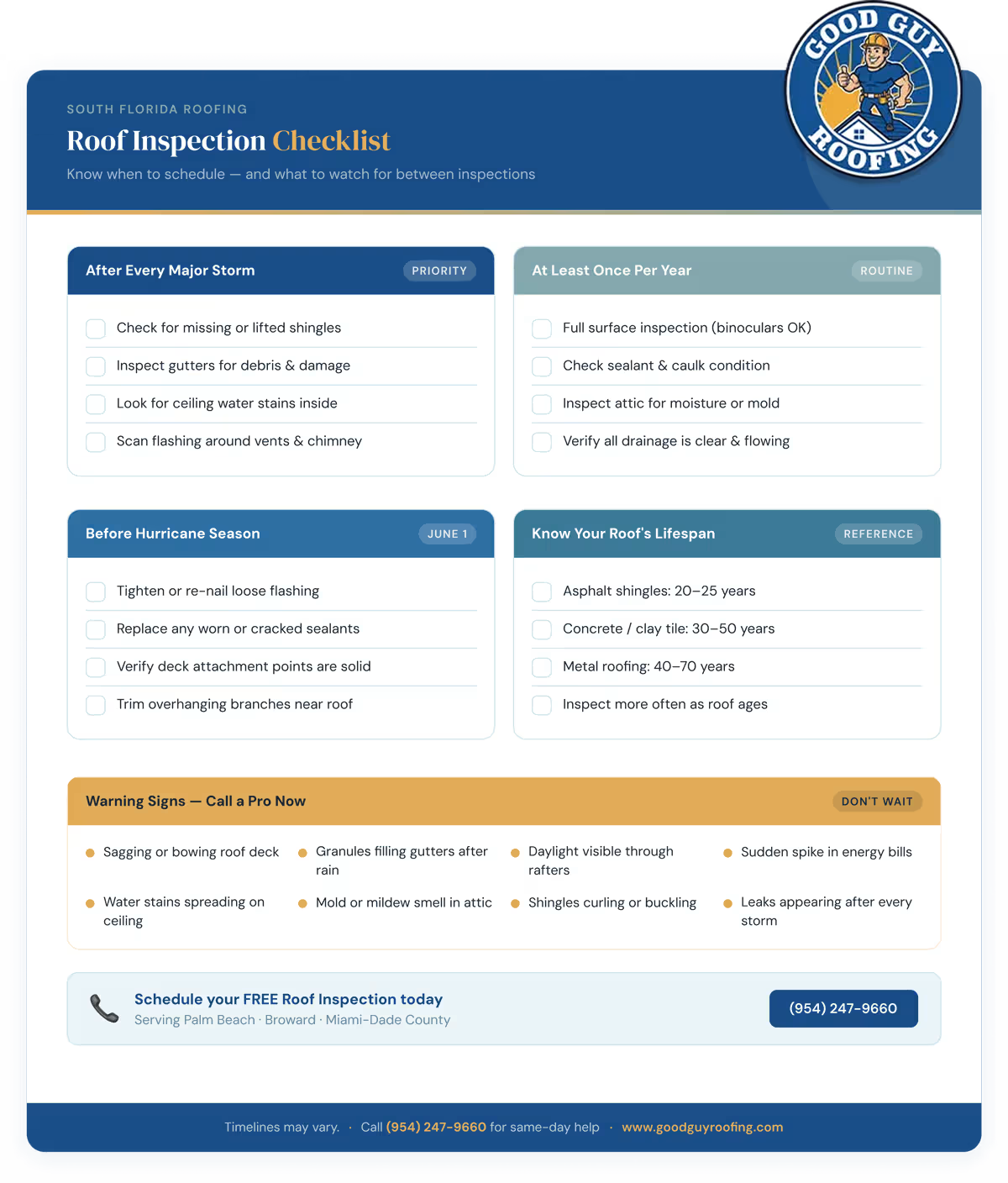
In regions like South Florida, experts typically recommend roof inspections:
- After major storms
- At least once per year
- Before hurricane season
An inspection provides peace of mind and helps homeowners address issues before they escalate.
Frequently Asked Questions About Roof Repair in South Florida
How much does roof repair cost in South Florida?
Roof repair costs vary depending on the extent of damage and the type of roofing material. Minor repairs can cost a few hundred dollars, while more extensive repairs can run into the thousands. The best way to determine accurate pricing is to get a professional inspection and estimate.
How long does a typical roof repair take?
Most roof repairs take between a few hours and one full day. Larger repairs involving structural components may take longer, but many issues can be resolved quickly by experienced roofing contractors.
Can you repair a roof during the rainy season?
Yes, experienced roofers can perform repairs during the rainy season. Contractors monitor weather conditions closely and use protective coverings to ensure repairs remain safe and effective even when rain is possible.
Is a small leak an emergency?
A small leak may not seem urgent, but it can quickly become a major issue. Even minor leaks allow moisture to enter your home, potentially causing mold, insulation damage, and structural deterioration.
Will my homeowners’ insurance cover roof repairs?
Homeowners’ insurance often covers roof repairs if the damage results from a covered event such as a storm or falling debris. However, damage caused by neglect or normal wear may not be covered. A roofing professional can help document damage for insurance claims.
Get Professional Roof Repair Help in South Florida
Roof damage rarely improves on its own. What starts as a minor issue can quickly turn into an expensive structural problem if it’s ignored.
Whether you’re dealing with a small leak, storm damage, or visible roof deterioration, getting professional help early can save time, money, and stress.
If you’re located in Palm Beach County, Broward County, or Miami-Dade County, expert help is just a call away.
Get a free roof estimate or schedule a free roof inspection.
Call (954) 247-9660 for same-day help
Your roof protects everything inside your home. Making sure it’s properly repaired today helps prevent bigger problems tomorrow.