How Often Does a Roof Need to Be Replaced? A Complete Guide
Your roof is your home’s first line of defense against the elements. Regular roof inspection services help determine how often a roof needs to be replaced. The lifespan of a roof depends on materials, climate, and maintenance. According to home maintenance best practices, proactive care significantly extends roof life
The honest answer is: it depends. A roof’s lifespan is not a one-size-fits-all number. It’s determined by a combination of the roofing material, the quality of the installation, your local climate, and how well it has been maintained. This guide will walk you through everything you need to know to determine when it’s time to invest in a new roof.
The Biggest Factor: Your Roofing Material
The type of material covering your home is the single most significant factor in determining its lifespan. High-quality materials installed correctly can last for decades, while cheaper options may need attention much sooner. Let’s break down the most common types.
- Asphalt Shingles: The most popular roofing material in North America, asphalt shingles offer a great balance of cost and durability. However, not all shingles are created equal.
- 3-Tab Shingles: These are the most basic and affordable option, typically lasting 15 to 25 years.
- Architectural/Dimensional Shingles: Thicker and more durable, these shingles have a more robust design and can last 25 to 40 years, sometimes longer.
- Wood Shakes and Shingles: Valued for their natural, rustic beauty, wood roofs require more maintenance than other types. With proper care, a cedar shake or shingle roof can last 20 to 40 years.
- Clay or Concrete Tiles: Extremely durable and resistant to fire, rot, and insects, tile roofs are a popular choice in warmer climates. They have an impressive lifespan, often lasting 50 to 100 years or more.
- Slate Roofing: Slate is the king of longevity. A natural stone product, a properly installed slate roof can protect your home for 100+ years, making it a true lifetime roofing system.
- Metal Roofing: Known for its exceptional durability and longevity, metal is a fantastic long-term investment. Materials like steel and aluminum can easily last 40 to 70 years, and premium options like copper or zinc can last over 100 years.
Beyond Materials: Other Key Factors Influencing Roof Lifespan
While material is the primary variable, several other conditions can significantly shorten or extend the life of your roof. Understanding these can help you make smarter maintenance decisions.
- Local Climate and Weather
Your environment plays a huge role. A roof in a mild, temperate climate will naturally last longer than one exposed to extreme weather. Factors that accelerate aging include intense UV radiation, heavy and prolonged snow, frequent hail storms, and high winds that can lift and break shingles.
- Quality of Installation
This cannot be overstated. You can have the best materials in the world, but a poor installation will lead to premature failure every time. Proper nailing, correct flashing installation around chimneys and vents, and adequate underlayment are critical for a long-lasting, watertight roof.
- Attic Ventilation and Insulation
A healthy roof needs to breathe. An improperly ventilated attic traps heat and moisture, which essentially “cooks” asphalt shingles from the underside and can cause the roof deck to warp. Good airflow is essential to regulating temperature and extending your roof’s life.
Telltale Signs You Need a Roof Replacement Soon
Your roof will give you clues when it’s nearing the end of its service life. Regular inspections, especially after major storms, can help you catch problems early. Here are the most common warning signs to look for.
- Your Roof’s Age: If your asphalt shingle roof is over 20 years old, it’s time to start planning for a replacement, even if there are no obvious signs of failure. Proactive replacement is always better than dealing with an emergency leak.
- Curling or Cracking Shingles: Shingles that are curling at the edges or have visible cracks are past their prime. They are brittle and no longer providing adequate protection against water intrusion.
- Missing Shingles: Obvious bald spots on your roof are a clear sign of failure. These areas are completely exposed to the elements and can lead to significant water damage quickly.
- Excessive Granules in Gutters: When you clean your gutters, look for an accumulation of shingle granules. While some loss is normal, a large amount indicates that the shingles are deteriorating and losing their protective layer.
- Water Stains on Ceilings: Any sign of moisture inside your home, like dark spots or stains on the ceiling, is a red flag. It points to an active leak that needs immediate attention from a professional.
- Sagging Roof Deck: If you notice a droop or sag in the roofline, it could indicate a serious structural problem with the decking, often caused by trapped moisture. This requires immediate professional inspection
Roof Repair vs. Roof Replacement: Making the Right Call
Sometimes, a simple repair is all that’s needed. Other times, a full replacement is the only responsible choice. How do you decide?
A repair is often suitable for isolated issues on a relatively young roof. If you’ve lost a few shingles in a windstorm or have a small leak around a vent, a targeted repair can effectively solve the problem and extend the life of your existing roof.
A full replacement is necessary when the damage is widespread, the roof is past its expected lifespan, or you’re dealing with systemic issues like poor ventilation. It’s also often required if you already have two layers of shingles on your home, as building codes typically prohibit adding a third.
The Roof Replacement Process: What to Expect
Understanding the process can help demystify a major home improvement project like a roof replacement. A professional job typically follows a clear set of steps.
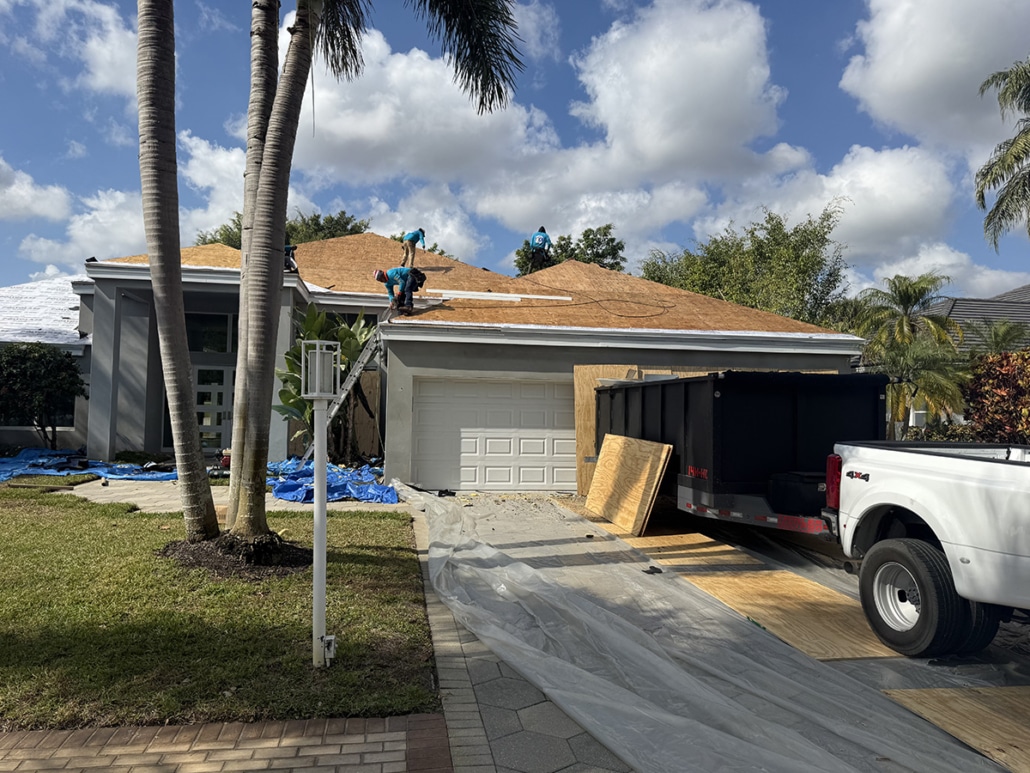
First, the old roofing materials are completely torn off. Next, the underlying wood deck is inspected for any rot or damage and repaired as needed. A new protective layer, like an ice-and-water shield and underlayment, is installed. Finally, the new shingles, tiles, or metal panels are installed, along with new flashing and ventilation components.
Conclusion: Protecting Your Greatest Investment
Knowing when to replace your roof is key to protecting the value and safety of your home. The lifespan of your roof is primarily dictated by its material, but climate, installation quality, and maintenance all play crucial roles. By learning to spot the warning signs—from curling shingles to granules in the gutters—you can act before a small issue becomes a catastrophic failure.
If your roof is getting older or showing any of the signs of wear we’ve discussed, Don’t wait for costly damage. Schedule a professional roof inspection today and protect your home investment.